
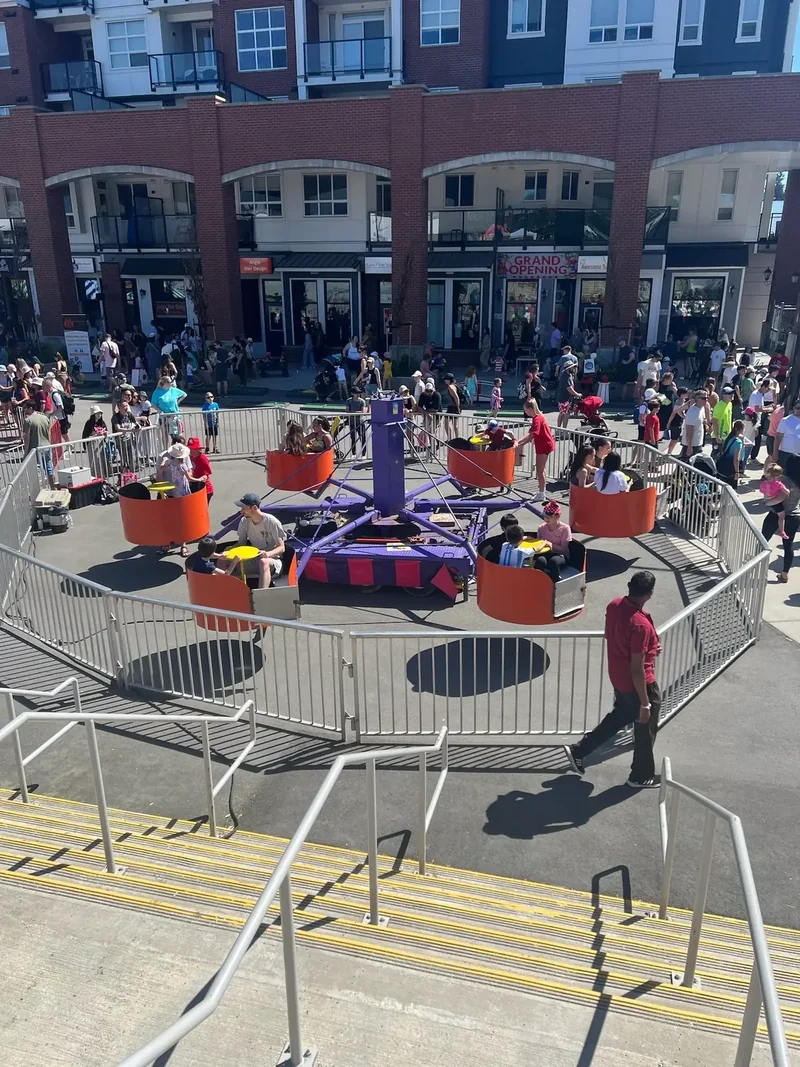
A school fun day planning checklist starts with who is coming and how the space works. Choosing activities becomes much easier once those details are clear.
School fun day planning checklist: define the day

Write a short brief: the date, event hours, approximate attendance, student age groups and the purpose of the day. Include the people who will approve the plan and the person who will be the supplier contact.
Walk the site

Bring a simple map or take photos of the proposed areas. Note access for equipment delivery, surface types, overhead obstructions, available power and spaces that must stay clear. Share this information with your supplier before confirming a layout.
Choose for your audience
A mix of rides, inflatables and games can give guests different ways to participate. Check the age, height, space and other participation requirements for the exact items you are considering. Avoid assuming that a familiar-looking activity is suitable for every child.
Make responsibilities clear

Confirm what the supplier’s team will do, what volunteers will do and who handles queues and guest information. Ask what instructions volunteers need before opening. Share the agreed responsibilities with the school organising team.
Build a weather plan early

Check the local forecast and alerts from Environment and Climate Change Canada, then use the school’s own decision process. Ask the venue and rental team which selected activities can operate under the revised conditions. A forecast alone does not tell you whether an item is suitable or whether the booking terms allow a change.
Put weather in the school fun day planning checklist before you announce activities. Discuss how weather could affect the selected activities. Confirm the applicable booking terms and any alternatives with your suppliers and venue. Avoid promising guests an activity until you know the agreed plan.
Turn the checklist into a working site brief
For example, a school may plan a two-hour fun day with younger classes arriving first and older classes later. That is a planning example, not a recommended capacity or schedule. Mark the arrival gate, the route from unloading to each activity, the proposed setup surface, and the nearest usable power points on one map. Then mark spaces that must stay open for ordinary school movement. The map gives the school and rental team the same starting point for checking fit.
For each proposed attraction, record the exact product name, the age group it is meant to serve, the usable footprint, and the person who will supervise its queue. Ask the rental team to confirm product-specific requirements; the name of an attraction alone is not enough to judge a room or playground. If one area proves unsuitable, the organiser can compare alternatives without rebuilding the entire day.
Make one event-day decision sheet
Put the site brief, schedule, item list and contact names on one page. Show who can approve a layout change and who will tell families if the weather plan is activated. Add the last time a decision can be made before setup begins, then confirm that timing with the venue and suppliers. This is especially useful when the person who requested the quote will not be at the delivery point.
Before the day, ask the school to check its own supervision, access and emergency procedures for the chosen activities. The rental enquiry should describe those constraints accurately, while the school keeps responsibility for its own site rules.
A worked school-day handover
Imagine a primary school planning an afternoon fun day on its playground. The organiser has an attendance estimate and an activity shortlist, but the delivery route crosses an area used for lunch. A useful next step is to ask the school when that route is free and whether another unloading point is available. Put the answer on the site map and send it with the enquiry. The rental team can then assess the actual access window and proposed positions for the selected items instead of working from the guest start time alone.
Now sketch a simple rotation rather than sending every class toward the same attraction. One group could start at a short-turn game while another has a quieter activity, then switch at an agreed point. This is only an organising example; the school must decide its own supervision arrangements and the rental team must confirm each item’s participation and site requirements. Leave a space on the handover sheet for a station to pause if a queue blocks a route or a volunteer needs help.
On the morning, the event lead checks the map with the school contact and the delivery lead. If a gate is locked or a volunteer is absent, they agree who can approve a revised route or assignment and who will tell the affected station. Keep the original plan visible while marking the change, so the next shift does not follow an out-of-date version.
A short update families can actually use
When the agreed weather plan changes what families will experience, send a plain update after the school and suppliers have confirmed it. For example: “Today’s fun day will use the indoor activities confirmed by the school. Please enter through the main entrance at the usual time. We will share the final activity list at check-in.” Change those sentences to match the real decision, and avoid naming an attraction until its availability and suitability are confirmed. The message should answer what changed, where to go and when guests will know more.
After the event, note which queue or access point caused confusion and whether the handover sheet answered the question quickly. That small record makes the next school event easier to plan without relying on memory.
Prepare a handover sheet
- One event-day contact and a backup
- Supplier arrival, setup and collection windows
- The agreed layout and equipment list
- Power and access information
- Staff and volunteer responsibilities
- The agreed weather and communication plan
Use this school fun day planning checklist as a shared event-day reference. Keep this sheet with the organising team, and give each supplier the details they need. A clear handover helps everyone work from the same plan.
Browse rides and rentals, or read our planning FAQs before starting your enquiry.