
Quick answer: Choose an inflatable obstacle course around how people will participate, not just how the product looks. Decide whether guests will take casual turns, move through hosted team rotations or watch a demonstration. Then compare the exact course, participant rules, event schedule, supervision plan and alternate activities with the provider before describing the experience to guests.
Inflatable obstacles can give an event a visible challenge and a shared point of interest. They can also create a queue, a time commitment and expectations that do not suit every guest. The best first decision is what you want people to experience: a friendly challenge, a short station in a larger programme, an optional activity throughout the event or one organised group session. This guide focuses on that participation decision. Site measurement, venue approval and final operating arrangements need separate confirmation from the relevant provider and property contact.
1. Choose the experience before the course
Write down the event purpose in a sentence. A school field day might need a sequence of short activities that is easy to explain to several groups. A company social might want a shared challenge that encourages coworkers to cheer each other on. A family gathering may need an optional attraction with room for people to watch, rest or choose something quieter. The product name does not decide the event tone; the way you introduce and schedule it matters.
Think about whether participation is optional or central to the programme. If it is optional, guests need to know when it is open and where to go if they prefer a different activity. If it is a scheduled station, your event lead needs a transition plan, a clear start and finish, and a backup in case the activity pauses. If it is a featured competition, decide what makes the challenge enjoyable for people who are not racing, keeping score or completing the course.
Set boundaries for the decision. Identify two or three must-haves, such as a team format, a certain type of challenge or a short hosted block. Then list preferences like theme, colour or photo opportunity. Mark which parts of the programme could change if the preferred item is unavailable. This prevents a product photo or an exciting name from becoming a promise before the provider confirms the current item and rules.
2. Describe the participant group clearly
Estimate the participant age range, expected attendance and any group characteristics that affect how you want the event to run. Keep estimates labelled as estimates. Do not promise that every guest can use a particular course. Ask the provider for the exact item’s entry requirements, manufacturer instructions and any participation limits, then align the guest invitation with those answers. A catalogue description is a starting point for questions, not a substitute for item-specific instructions.
Consider people who will participate in different ways. Some guests may take a turn, some may want to cheer from the side, and others may need a quiet alternative or a seat. Do not ask people to disclose personal information unnecessarily. Instead, make the event welcoming by offering clear choices and asking the provider privately what information is useful for planning. If a guest raises a specific accommodation question, route it to the venue and provider rather than making a promise the organiser cannot confirm.
For a mixed-age event, ask how the exact course’s rules affect the participant groups you have in mind. Do not infer that different groups can share one activity period or use the course in a particular sequence. The provider should explain the relevant instructions. Use that guidance to shape the schedule, communications and any separation between participant groups. Keep the answer attached to the actual model being discussed.
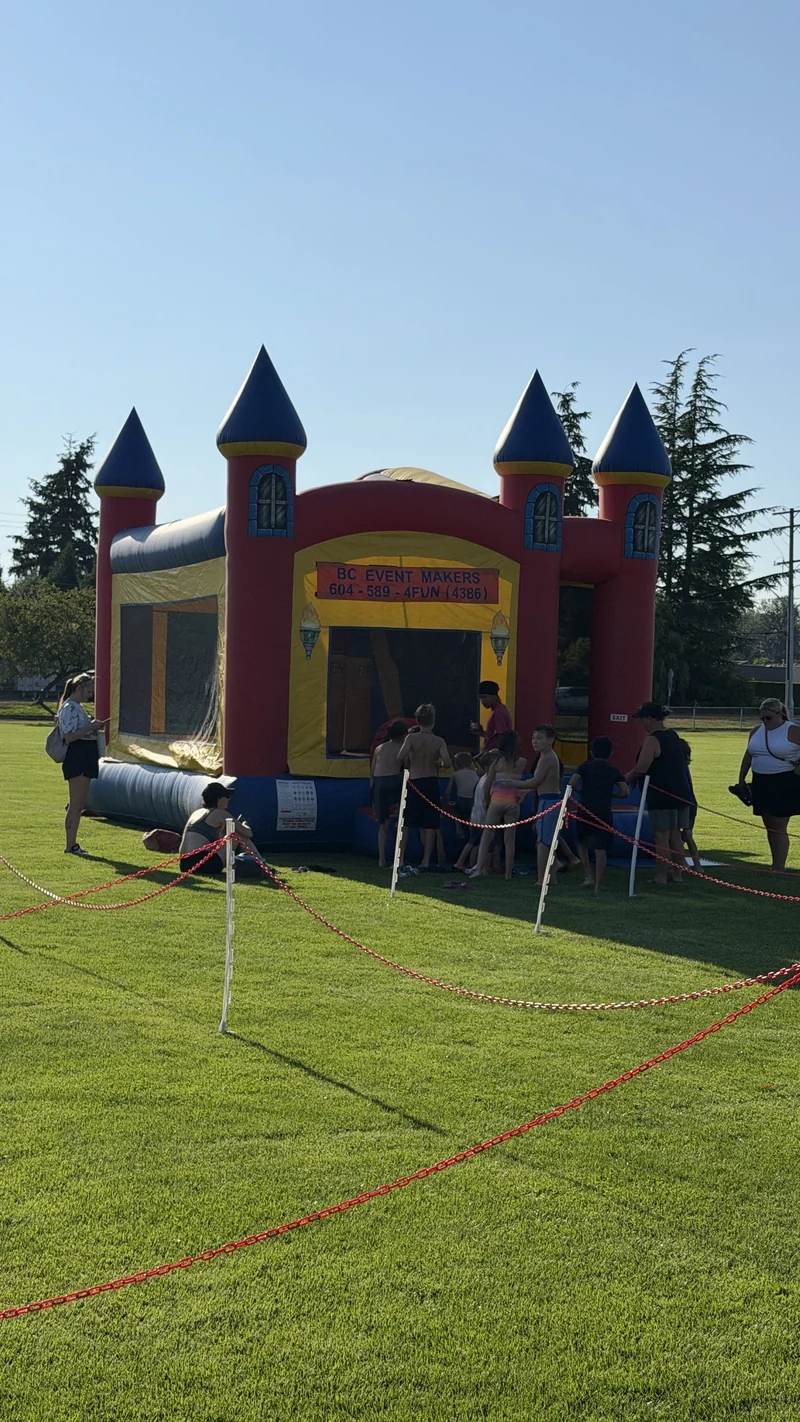
3. Plan participation around inflatable obstacles
Different courses can create different experiences: a sequence of features, a themed challenge, a longer visual route or a more playful interaction. Read the current product listing and ask how the exact item is used. Avoid assuming that products with similar photos have the same entrance, finish, participant requirements or rules. Ask what a first-time guest should know before taking part and how the provider recommends explaining the experience.
Compare what people will be doing, not only the unit’s name. Does the course invite a single participant at a time, a team sequence or an organised group rotation? Is there a visible finish point? What should an event host say about turns, waiting and stopping? Do not create a race format, team scoring rule or participant limit from your own assumptions. Ask the provider which formats fit the selected item and follow the written operating instructions.
Some BC Event Makers listings use themes or accessories to define the experience. Ask whether a specific accessory is included with the current item and whether it changes the expected activity. A theme can make the event feel cohesive, but a matching invitation or decoration does not establish that the product suits the group. Keep the decision about participant experience separate from visual styling.
When reviewing product details, note where a claim came from. A current listing can help identify features to ask about. A quote can confirm the item offered for your date. The provider’s written instructions explain how the exact device should be operated. Your event plan should not treat one source as answering questions that belong to another.
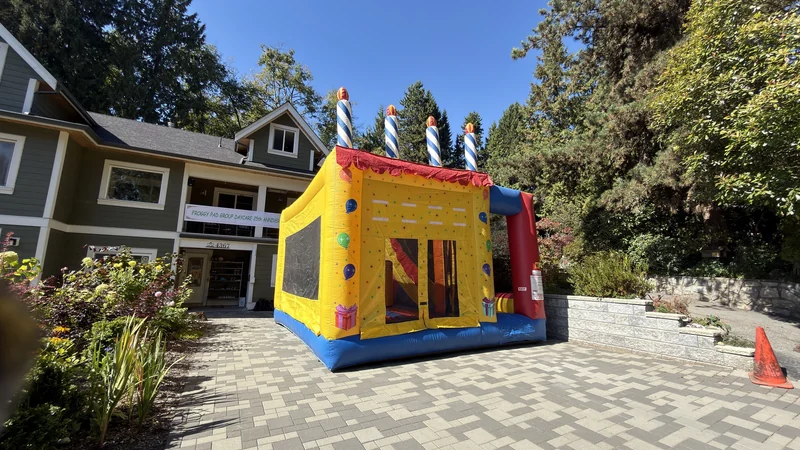
4. Choose between open turns and team rotations
Open turns can suit a gathering where arrivals happen at different times and guests choose activities as they go. The host still needs to communicate when the course is available, where people should wait and who can answer questions. Do not assume an open schedule removes the need for a named event lead or the provider’s instructions. Keep a simple activity sign or host announcement aligned with the confirmed rules.
A team rotation works differently. Make groups small enough for your programme plan, set an order, identify who moves each group, and allow time to transition to the next station. Do not set group sizes or the number of simultaneous users yourself; ask the provider what applies to the exact unit. Consider what happens if a group arrives late, a participant opts out or the activity needs to pause. A rotation should be flexible enough that one change does not disrupt the rest of the event.
For a friendly challenge, decide whether the goal is completion, participation, teamwork or a shared celebration. A team can take turns and encourage one another without publishing times or ranking individuals. If you want a scoring element, check that it fits the course instructions and your audience. Avoid creating pressure that makes the activity less welcoming to guests who move at a different pace or choose not to compete.
For a demonstration or featured moment, decide who introduces it, how the audience will watch, when the event can move on and what the alternate programme is. Tell guests the activity is optional. If the event includes prizes or public recognition, make the rules clear before people participate and keep the experience appropriate for the group. Avoid advertising a winner or a record before the event plan and provider guidance support that format.
5. Plan for the people waiting and watching
List everyone around the activity, not just the participants. Someone may be taking photos, helping a child decide, directing a group or waiting for the next station. Give spectators a place to stand or sit that does not block ordinary movement. Keep the queue away from food service, entrances, accessible routes and other programme stations. Ask the venue contact whether those paths need to remain clear.
Offer a meaningful alternative close enough for guests to stay involved. This might be a low-pressure game, a conversation area, a craft table or another hosted activity that fits the event. The alternate should not depend on using the obstacle course or completing a physical challenge. Tell guests what their options are before the activity starts, and make it normal to observe, take a break or choose something else.
Think about how an event lead can see the waiting area and where guests go after a turn. A course that draws attention can also draw a crowd. Place signs or a host near the right decision point rather than relying on guests to find directions in a busy event. Ask the provider whether any notices or instructions should be visible and how they should be communicated. Keep your own event messaging consistent with the provider’s written guidance.

6. Build a participant journey for the event
Map what a guest experiences from hearing about the activity to leaving it. They should know when it is happening, whether participation is optional, where to gather, what the provider says they need to know, where they wait and what happens after a turn. This journey is more useful than a vague note that says “obstacle course at 2 p.m.” It also helps your event team understand what to communicate and when.
Use the event schedule to create a realistic activity block. Include a welcome, any provider-led orientation, turns or rotations, a short transition and an end time. Do not estimate how many people can participate in a given time without the provider’s input. An event that runs late can affect food service, speeches or pickup arrangements. If timing changes, identify who can adjust the schedule and who will update guests.
Give the host a copy-ready description that makes no unsupported promises. It can say which activity is planned, when it is expected to be available, that the provider’s rules will apply, and what alternative is offered. Avoid claims about a guaranteed number of turns, capacity, eligibility or performance. Keep the wording flexible until the provider confirms the exact product and event arrangements.
7. Assign people to the right event roles
Identify the person who can make programme decisions, the person who communicates with the provider, the host who directs guests and a backup contact. Ask whether the provider includes an operator and what responsibilities remain with the organiser. If separate people are needed, write down each role. One volunteer who is also greeting guests, serving food and handling registration may not be available for every task at once.
Ask the provider what information participants should receive and who will deliver it. Follow the current instructions for the selected device. Do not paraphrase a rule in a way that changes its meaning. Keep the supplier contact and venue contact available to the event lead, and establish who will communicate a pause or schedule change to participants and spectators.
Technical Safety BC publishes guidance for people renting inflatable devices, including questions about permits and licensed contractors for some public events, and points to considerations such as supervision and following manufacturer size requirements. Read its current event guidance and confirm which rules apply to your specific event with the appropriate provider and authority. This reference is not a legal determination or guarantee that a particular event meets requirements.
8. Keep the experience welcoming and low pressure
Think about what a guest hears when invited to participate. “Try it if you would like” creates a different feeling from “everyone has to race.” Give people permission to watch, take a break or join another activity. If the course is part of a school or work programme, explain the alternate clearly so someone who opts out still has a place in the event.
Consider sound, crowding and transitions. A host can keep announcements brief, tell guests when the next rotation begins, and avoid calling out personal times unless everyone has agreed to the format. A team challenge can emphasize encouragement and shared participation rather than speed. Make space for people to talk, take photos from an appropriate area and return to the wider event without crossing the activity flow.
For a family event, discuss with the provider how adults should guide children through the selected course and which instructions apply. For a school or community programme, confirm what role the provider expects from event staff. Avoid planning a staff-to-participant ratio or substituting your own description for the manufacturer’s rules. The event plan should support the provider’s instructions, not replace them.
9. Make a product comparison that stays honest
Keep the shortlist to three options. For each one, list the intended experience, current product page, participant group, proposed schedule, provider instructions requested, staffing question and alternative activity. Add the confirmed quote and included services after receiving them. Mark anything unknown as “awaiting confirmation.” This makes trade-offs visible and helps you avoid choosing based only on the most dramatic image.
| Question | Option A | Option B | Option C |
|---|---|---|---|
| What experience do we want? | [shared challenge] | [short turns] | [themed route] |
| Who is the participant group? | [age range and event group] | [age range and event group] | [age range and event group] |
| Open turns or rotation? | [provider to confirm] | [provider to confirm] | [provider to confirm] |
| What alternate is available? | [activity] | [activity] | [activity] |
| What rules are still needed? | [awaiting instructions] | [awaiting instructions] | [awaiting instructions] |
| What is confirmed in writing? | [date, item, quote] | [date, item, quote] | [date, item, quote] |
Compare the total event experience. A course may appear to offer more features, but your event may need a short station, an optional attraction or a shared challenge. The format, service included and schedule matter alongside the product. Confirm the exact item and quote for the date before you compare final costs. Do not infer current availability from the existence of a catalogue page.

10. Keep site and approval questions with the right people
Although this guide focuses on participation, the event still needs a suitable location and approved arrangements. Send the provider the event address, proposed placement, participant schedule and relevant photos. Ask for the exact course requirements, delivery route, setup and operating instructions. Ask the property or venue contact about site approval, event rules, access times and any documentation. Keep those answers separate, because the provider and venue answer different questions.
If you are planning a public event, check with the relevant authority about permits, service-provider documentation and any requirements that apply to the event. Technical Safety BC’s guidance describes situations where permits and licensed contractors may be required. Do not assume every event has the same requirements or that a single website summary resolves your case. Ask the appropriate authority and provider to confirm in writing before telling participants the plan is final.
For a private venue, ask the property contact to confirm the location and event rules. For a school, ask the responsible administrator which approvals and participant communications are needed. For a community event, identify who owns the site decision and who coordinates provider documents. Avoid representing a proposal, quote or notification as approval. Keep a dated copy of replies and update the event team when an answer changes.
11. Prepare the day-of activity handoff
Before the event, give the activity host a concise handoff: confirmed item, schedule, provider and venue contacts, participant instructions, role assignments, waiting and spectator locations, alternate activity, and the process for a change or pause. Keep the latest version in one place. Remove old drafts from the event lead’s working copy so nobody follows a plan that has been replaced.
Brief the wider team on how the activity fits the programme. Tell them where guests should gather, when the next group is expected and who to contact if someone asks about the rules. The team should know which questions must go to the provider or venue rather than being answered from memory. Include the procedure for telling participants that the schedule has changed.
After the event, note what guests enjoyed, whether the schedule allowed enough time, where people waited and whether the alternate activity was useful. Record questions that took longest to resolve and details to ask earlier next time. These observations help you plan a more welcoming event without claiming that a particular product or operating arrangement will fit every group.
Copy-ready quote request
“We are planning [event type] on [date] at [venue/address]. We expect approximately [number] guests and participants around [age range], with [arrival pattern]. We want an inflatable obstacle course for [optional turns/team rotation/hosted challenge]. Our preferred experience is [description], and we would like to consider [alternate format]. Please identify the exact item available and explain the relevant participant instructions, group format, supervision responsibilities and any rules we should communicate. We are considering a schedule block from [time] to [time]. Our venue contact is [role/contact], and approval status is [pending/confirmed with details]. Please provide current availability, the quote and included service, setup and collection timing, site information still needed, and the provider instructions we should include in our event plan.”
Use the BC Event Makers catalogue to identify product options and its quote form to share a specific request. The catalogue supports the comparison; a written provider response confirms the proposed item and service. Keep the final participant message aligned with the exact item, event arrangement and rules confirmed for your date.
Choosing inflatable obstacles is a decision about participation as much as equipment. Define the event experience, understand your group, plan for people who choose a different activity and confirm the item-specific rules with the provider. When the activity host has a clear schedule, a useful alternative and a short handoff, the course can fit the wider programme instead of taking it over.